
Cooper City Address History Sources
Different eras require different records. Current ownership begins with BCPA. Late twentieth-century transfers are easiest in the online recorder index. Cooper City’s founding years need older deed books and staff help, while occupancy evidence may come from regional reverse directories and local newspapers. The latest public federal census predates the city, so it can document the earlier rural area but not the post-1959 municipality.
| Source | Years it covers | Where held | What it shows |
|---|---|---|---|
| Official Records name index | Fully searchable July 7, 1977 to present | Broward Acclaim portal | Owners, transfers, liens, and related instruments |
| Limited Official Records | March 9, 1972 to July 7, 1977 | Acclaim exact-identifier modes | Records found by instrument, book/page, or date |
| Earlier books and images | Media to 1871; ownership documents since 1883 | Search and Copy, Room 114 | Early title and legal instruments |
| City lien and permit response | Open permits after May 1993; violations from prior 12 months | Cooper City written search | Alterations and municipal issues |
| City and reverse directories | Exact Cooper City years not published | State Library and Broward Library | Occupants between official record dates |
| Federal census | Public through 1950 | NARA and library databases | Pre-city households in the present-day area |
| Sun-Tattler West | Cooper City pages verified by 1985 | Broward Digital Archives | Residents, events, clubs, and address context |
Start with the source closest to the target year, but always secure the modern folio and legal description first. They connect an old deed or subdivision reference to the present address even when the street label has changed.
Start Cooper City History by Folio
The BCPA Property Search converts today’s address into a folio, current owner, situs address, mailing address, legal description, subdivision, sale history, and building facts. Save the full parcel card before searching names. A surname can match several people, while the subdivision, lot, and block keep the same land in view.
Compare situs and mailing addresses but do not overstate them. Situs is the property’s physical location. Mailing is where the tax notice is sent. A matching address and homestead exemption support owner occupancy, yet neither names all members of the household. A different mailing address can reflect an absentee owner, trust, or another mailing preference.
The BCPA sale links often lead to a recorded deed. That is the cleanest bridge from the current parcel to the first transaction in a backward search for previous residents.
Trace Broward Deeds Backward
A chain of title is the sequence of recorded transfers for one property. Build it from the newest deed toward the earliest. Match the legal description at every step, and distinguish deeds from mortgages, satisfactions, liens, and probate filings that may explain a transaction without conveying title.
- Save the current owner, folio, and full legal description from BCPA.
- Open the newest sale deed or search the current owner as grantee, the buyer who received title.
- Confirm the legal description, then take the grantor, the seller, from that deed.
- Search that seller as an earlier grantee. Repeat the buyer-to-seller link for each transfer.
- At the online cutoff, use exact instrument or book and page, then ask Search and Copy for earlier deed books and indexes.
- Grantor
- The party giving or transferring an interest in the property.
- Grantee
- The party receiving that interest.
- Chain of title
- The linked sequence of recorded transfers for the same land.
- Legal description
- The formal land identity, often a subdivision, lot, and block, that survives street-name changes.
Do not treat a return-to address on a deed as proof of where a party lived. It directs document handling. The deed’s legal description and party roles are the stronger evidence.
Cooper City’s 1977 Record Divide
Broward’s digital boundary is unusually exact. Official Records is fully searchable from July 7, 1977 at 1:47 p.m. The segment beginning March 9, 1972 at 11:28 a.m. and ending one minute before that full-search point is limited to specified instrument numbers, official-record book and page, or recording date. Pre-March 1972 material does not appear in the site’s searchable run.
The Broward Official Records portal supports name, book/page, document type, instrument, case number, amount, date, simple-search, and parcel modes. Online deed images are documented from August 24, 1998. Older images and media remain with Search and Copy at the Governmental Center in Fort Lauderdale.
This gap falls inside Cooper City’s own history. The city began in 1959, so its first years cannot be traced end to end with a modern party-name search. Staff can supply certified ownership documents dating to 1883. County media reach still further, which helps when title predates incorporation.
Note: A blank name search before 1977 is a portal limit, not proof that the deed or owner never existed.
Cooper City’s First Property Trail
Cooper City began in 1959 on Morris Cooper’s 691-acre development at former Wacico Groves. At year-end, the new city had 85 residents and 35 completed homes. By 1963, 120 homes had been built, though many were unoccupied. Early title records may therefore name Morris Cooper, a development company, utility interests, or lot buyers rather than a settled household.
That difference is crucial when seeking previous residents. Ownership can begin with a large tract, move through a developer and subdivision plat, and only later reach an individual household. Use recorded plats to identify the lot carved from the parent tract. Then look for newspapers, permits, and directory entries close to the first occupied date.
The first two decades also sit before Broward’s full online name index. A complete founding-era trail may require book-and-page references, recorder staff, and Broward historical collections rather than one web search.
Cooper City Permits Add Dates
The city’s lien search can add a second timeline after the deed chain. Its response may include unpaid utility charges, formal and informal municipal liens, special assessments, code violations from the preceding 12 months, and open building permits issued after May 1993. The written request needs letterhead, requester contact details, and the legal description. A hard copy also requires a self-addressed stamped envelope.
Permit records may name an owner, applicant, or contractor and describe work, status, and inspections. Those roles are not interchangeable with residence. Still, a dated addition, roof, pool, or other project can explain a change seen in parcel data and can narrow the period when one owner controlled the property.
Start with BCPA so the Cooper City lien search receives the exact legal description. Postal addresses are more prone to unit, direction, lot, and alias errors.
Bridge Old Cooper City Addresses
Early maps identify today’s 90th Avenue as Morris Cooper Boulevard. Old references may also call Griffin Road “Halloween Road,” a nickname tied to its rough condition before paving in 1963. Search each known form in deeds, directories, newspapers, maps, and permit files. Do not assume a failed modern-address search means the record is absent.
Boundaries can be just as misleading. Sunshine Acres and Rio Ranches between 106th and 114th Avenues were de-annexed in the early 1960s. Some nearby parcels use Cooper City in the mailing line without sharing the same city jurisdiction. Compare BCPA municipality or millage, the parcel map, and recorded plat before assigning a past household to the city.
The folio and legal description bridge these shifts. Keep a short alias worksheet with current street, historic name, subdivision, lot and block, nearby cross street, and the years when each form appears.
Find Cooper City Past Households
Deeds identify owners, not everyone who lived in the house. Reverse directories, telephone directories, newspapers, and obituaries may add occupants. No official catalog disclosed a standalone Cooper City directory run, so ask whether Fort Lauderdale, Davie, Broward, or suburban volumes include the address. The full collection method is covered in the Cooper City city directory material.
- Start with a dated owner and address from the deed chain.
- Check the volume’s geographic coverage and abbreviation key, then search surname and reverse street sections.
- Repeat in the nearest earlier and later volumes. Record only a bracket, such as present by one year and absent by another.
- For pre-1951 households in the present-day area, pair the directory with the 1950 census and its enumeration geography.
- For later Cooper City years, pair directory entries with permits, deeds, and local newspaper mentions.
The public federal census stops at 1950 under the 72-year rule, before Cooper City incorporated. It can help with the rural Wacico Groves or Davie-area past, but it cannot name the city’s postwar households. The 1960 census is scheduled to open in 2032.
Extend Cooper City Resident Timelines
The Broward Digital Archives provides digitized local newspapers, photographs, oral histories, and government material. Sun-Tattler West includes Cooper City pages at least by 1985. A neighborhood event, civic role, sale notice, or obituary can place a family between transactions when no suitable directory volume survives.
Broward Library also accepts obituary-search requests at periodicals@broward.org, though staff warns that not every local death appeared in searchable newspapers. Provide the full name, date range, address forms, and likely relatives. An obituary can identify family and a last community, but publication wording should be checked against probate or official vital records.
Probate documents recorded with the county may explain a transfer after death. The court file is held by the Broward Clerk, while a recorded personal representative’s deed or probate notice may appear in Official Records.
The Florida online public docket directory points researchers toward court systems relevant to Cooper City address history.
Use the docket as a lead, then obtain the underlying Broward file or recorded instrument from its actual custodian.
Courts in Cooper City History
A property or family trail may cross state and federal courts, but each system has a different scope. PACER is the federal case-access service. The U.S. District Court for the Southern District of Florida covers Broward County. Federal results can connect a name to litigation or bankruptcy-related events, yet a same-name result does not prove a link to the house.
The PACER access page explains the federal record route.
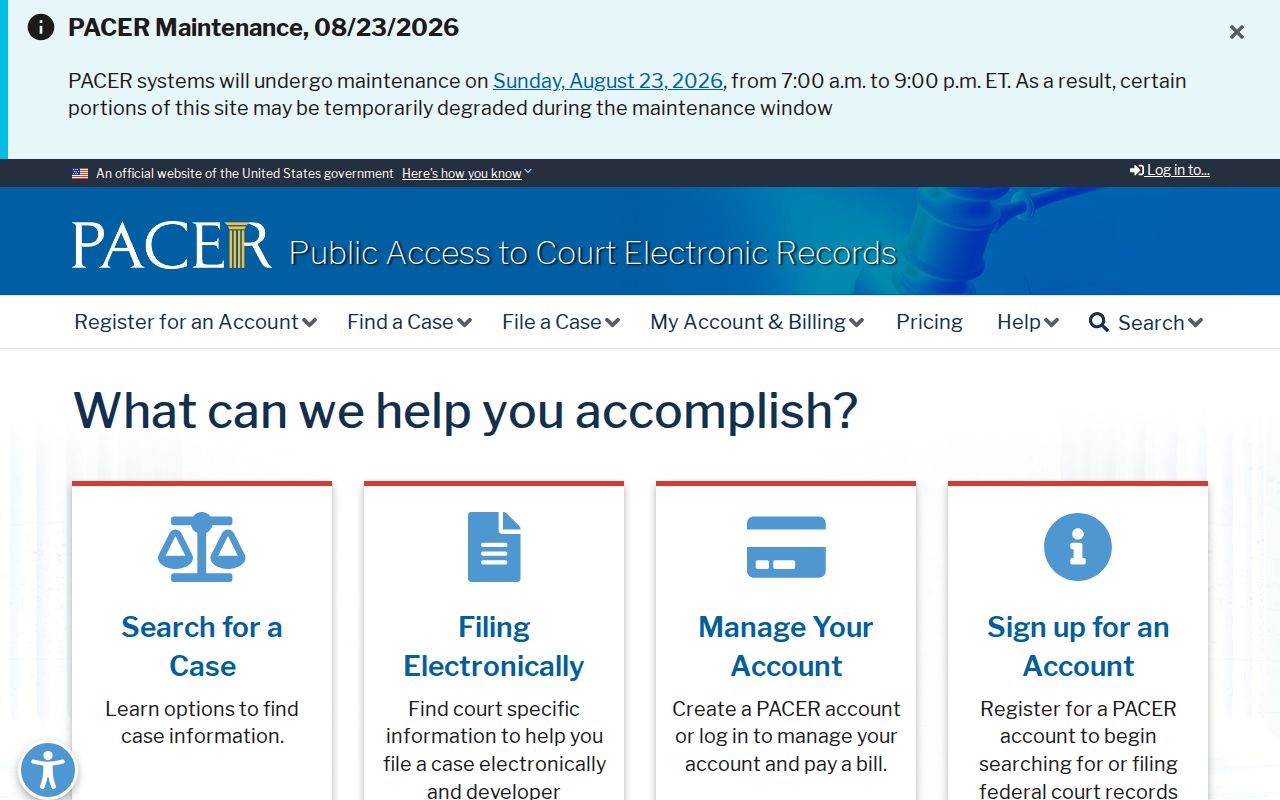
Match any federal party to the deed-chain name, date, and another identifier before adding it to an address timeline.
The Southern District of Florida is the federal trial court covering Broward.
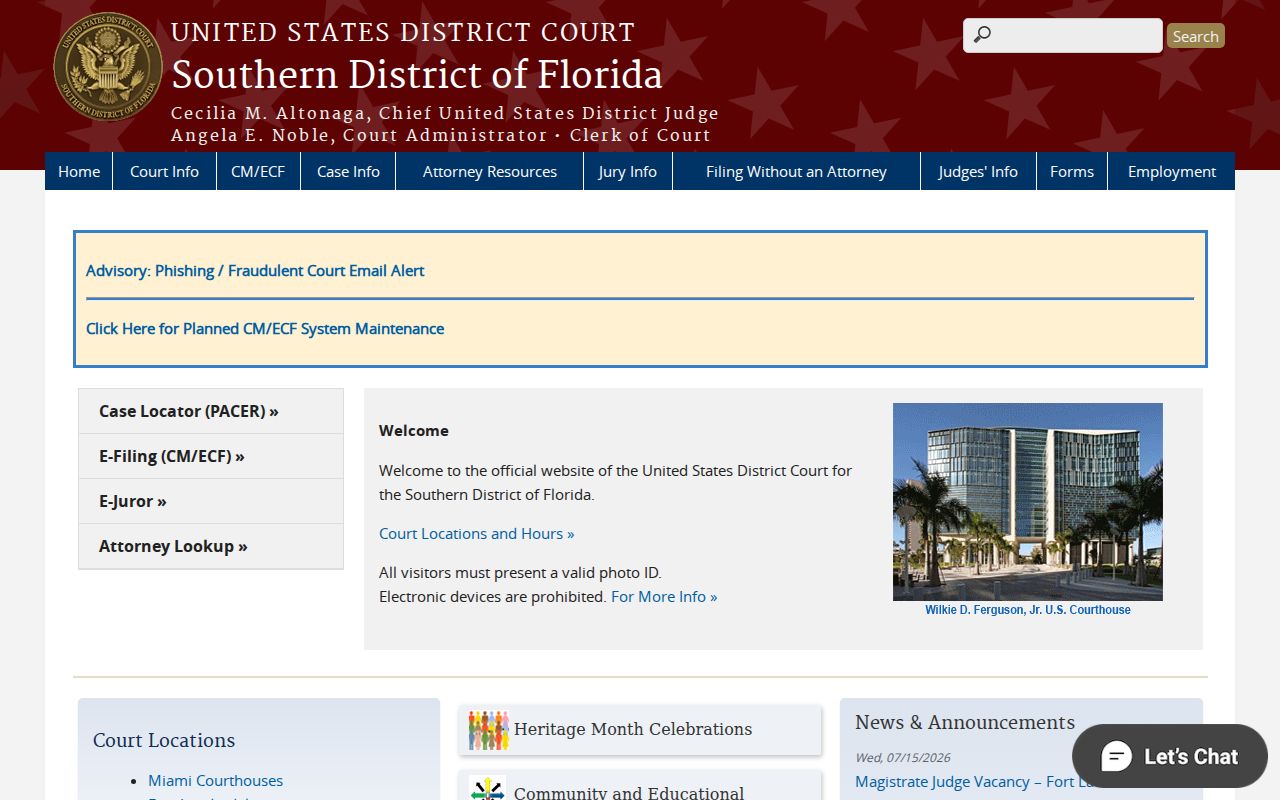
State property, probate, marriage, and local civil matters usually remain with Broward custodians, so court level and record type should guide the next request.
Cooper City Vital Record Limits
Vital records can close a family-history trail, but Florida does not publish every certificate as an open address source. Under Florida Statutes section 382.025, birth records remain confidential until more than 125 years old unless an authorized requester qualifies. Death records without cause are generally public, while cause-of-death information remains restricted for 50 years except to eligible people.
The Florida vital-record confidentiality statute sets those limits.
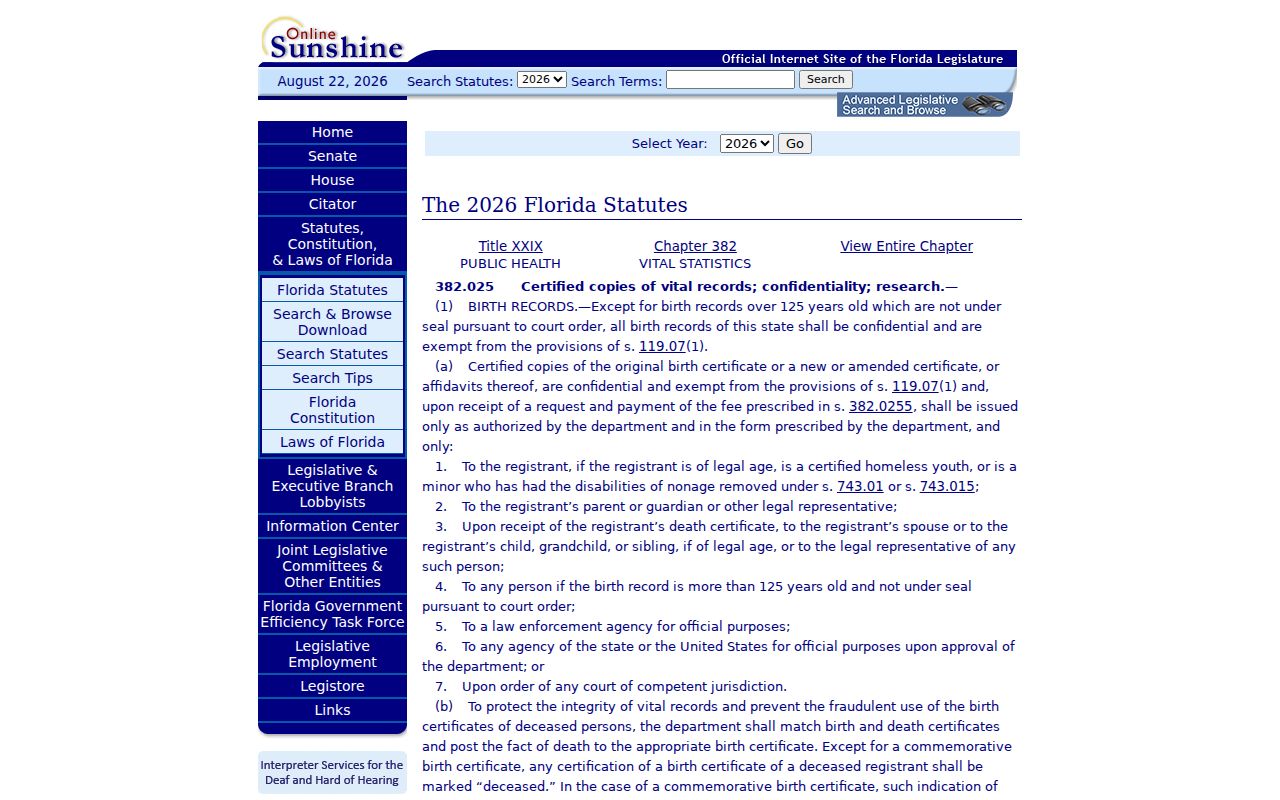
A certificate can confirm identity or family links for an eligible request, but it should not replace the address-specific deed, directory, or newspaper evidence.
Use Previous Residents Responsibly
Previous residents are rarely proven by one record. A deed proves a transfer of an interest, not that the grantee moved in. A directory is a dated publication that may omit people or lag a move. A permit contact may be a contractor. Census coverage ends before Cooper City existed. Keep owners and occupants in separate timeline columns until two sources support the connection.
When a source is absent, document the gap. No Cooper City-specific house-history guide or verified Sanborn sheet-year list was found. The Library of Congress Sanborn collection and NSU Digital Sanborn Maps are follow-up sources only if a map covering the address can be confirmed. Do not imply that a local sheet exists without checking.
Lawful use. Research past Cooper City households for family history, property history, or personal curiosity. Never use address findings to track, harass, threaten, or harm a living person.