
Cooper City Neighbor Record Sources
A block lookup works best as a set of official layers. The Broward County Property Appraiser map establishes which parcels touch or face the starting lot. Assessment records then provide folio, recorded owner, situs, mailing address, exemptions, values, sales, and building facts for each parcel. Plats explain lot and block lines, easements, and common areas. Voter data can add registered people at normalized addresses, subject to Florida exclusions. Cooper City permit, code, and lien records add address-specific municipal facts. None is a complete household list.
| Source | What It Shows About a Block | Access |
|---|---|---|
| BCPA Web Map | Parcel lines, nearby lots and mapped owner facts | Free manual click and collect |
| BCPA assessment roll | Owner, mailing and situs addresses, folio, sales | Free public portal |
| Broward voter list | Public registered voters at normalized addresses | Paid request; protected fields removed |
| Recorded plats | Lot, block, road, easement and common-area layout | Free recorder search |
| City address records | Selected permits, code matters and municipal liens | Written request or available search |
Ownership is the strongest parcel fact, not proof of occupancy. A matching homestead exemption and tax-mail destination can support an owner-occupancy inference, yet neither names all residents. A trust, association, or company can own the parcel. Conversely, a voter may live at an address without owning it. Keep each label intact instead of merging the records into a claim that the evidence cannot support.
Collect Cooper City Neighbor Parcels
The BCPA Web Map searches by address, owner, or folio. After locating the starting parcel, zoom until the boundary polygons appear. Click the parcels on both sides, then those across the street. The Collect Parcels control keeps a selected set, while Unselect Parcel clears it. Open each assessment detail for authoritative ownership because a map display is a current-roll snapshot.
Adjacency needs judgment. A canal, right-of-way, thin remnant parcel, or condominium master tract can sit between homes. Measure and layer controls help define a radius, but the research found no automated resident-radius export. The useful product is a dated worksheet with one row per parcel, not a guessed list of people.
Local geography. Mailing labels can mislead near Cooper City enclaves and the de-annexed Sunshine Acres and Rio Ranches areas. Check the parcel jurisdiction.
Map Cooper City Neighbor Ownership
Set an explicit block boundary before collecting names. In Cooper City, subdivision lines, canals, and common tracts may be more useful than an arbitrary circle. Preserve the target address exactly as found, then use its folio and legal description as stable identifiers. A folio is the county parcel number. The situs is the physical parcel address; the mailing address is where tax mail goes.
- Enter the target address in the BCPA Web Map and save its folio, subdivision, lot, and block.
- Click both side parcels and those directly across the street. Add each polygon to a dated parcel set.
- Open each BCPA assessment record. Record owner, situs, mailing destination, exemptions, and sale links without calling owners occupants.
- Use the recorded plat to resolve common areas or odd boundaries. For a complete named-road chain, use the Cooper City street directory.
The resulting flow is simple: address to folio, folio to surrounding polygons, polygons to assessment details, and assessment facts to separately sourced public evidence. That chain also exposes errors. A mailing address outside Cooper City may reflect an absentee owner, a trust, or a preferred tax destination rather than a bad parcel match.
Define Cooper City Neighbor Blocks
Broward recorded plats show the subdivision, lot and block framework behind a street view. They can reveal private roads, easements, water, open space, and an association-owned common parcel. Search plats through Broward Official Records, where all plats and maps are searchable regardless of date. Use the legal description from BCPA to choose the right sheet.
Neighborhood names are less reliable. Cooper City has named subdivisions and association-governed communities, but no verified citywide public HOA member directory was found. The city's boundary history adds another trap: a Cooper City mailing line does not prove that a parcel is legally within the municipality. Taxing jurisdiction and the map polygon provide better evidence.
Request Cooper City Neighbor Voters
The Broward Registered Voter List request is the official route for geographic voter data. Describe the addresses or geography, fields, output, delivery, and reference date. Research records a $20 database-search fee, a $6 optional USB, and Dropbox delivery for files over 10 MB. The individual voter lookup is identity-gated and is not designed for harvesting a block.
Public fields may include name, residence and mailing addresses, birth date, party, status, registration date, precinct, districts, and participation history. Ballot choices remain secret. Registration source, Social Security and state ID numbers, preregistrant data, signature copies, and exempt addresses are protected. Voter data can identify registered renters whom ownership rolls miss, but it omits nonvoters and protected people.
Note: Normalize street suffixes and unit numbers before comparing voter rows with BCPA parcels, and keep the file's reference date.
Cooper City Neighbor Contacts
Community records have a narrower, voluntary role. The city does not publish a verified public membership directory for every neighborhood. HOA member rosters, congregation lists, block-watch contacts, and school-family data remain private unless their owners choose to publish them. Public meeting packets may name an association representative, and Sunbiz may list a homeowners association's officers or registered agent.
City community resources
Use Cooper City's community page for public civic contacts. It is not an HOA roster.
Sunbiz associations
Search the exact corporate association name for status, officers, agent, filings, and public contact addresses.
Broward archives
Historic rosters or group records may appear in deposited collections, while current membership stays private.
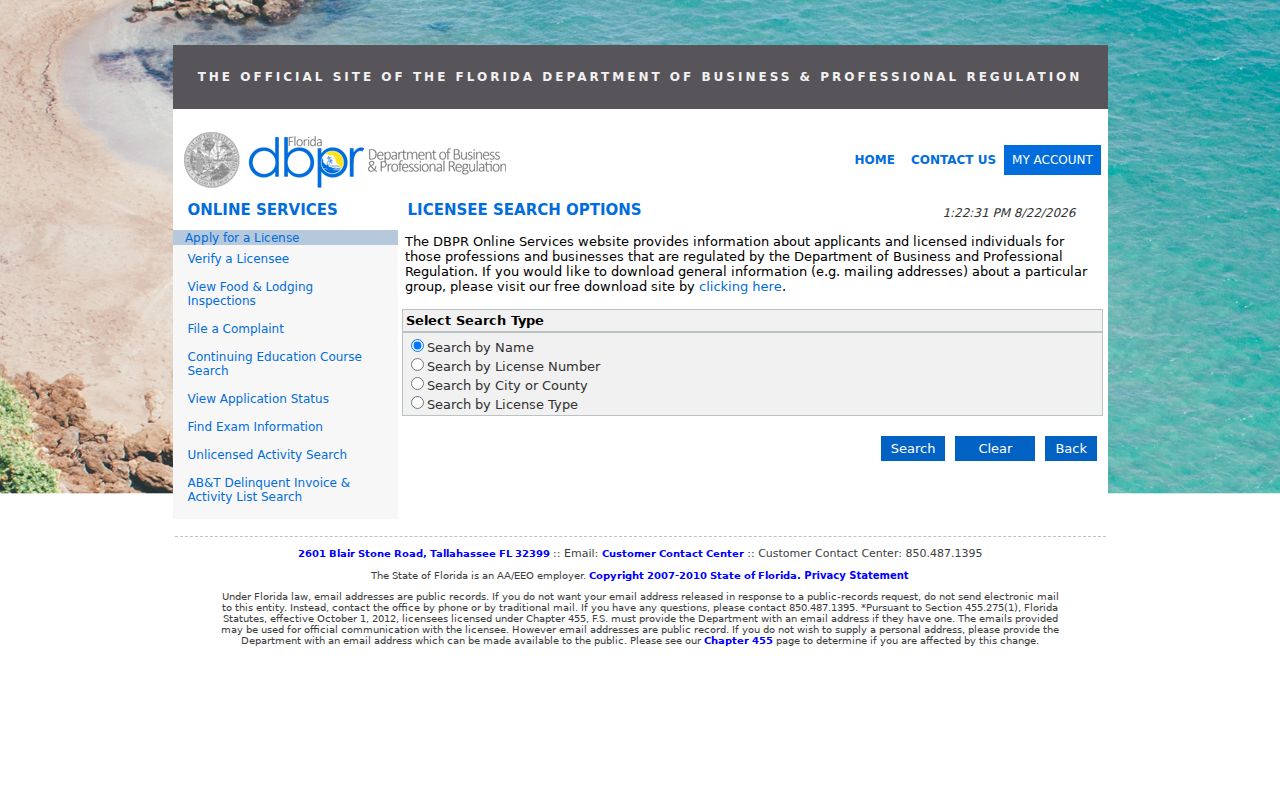
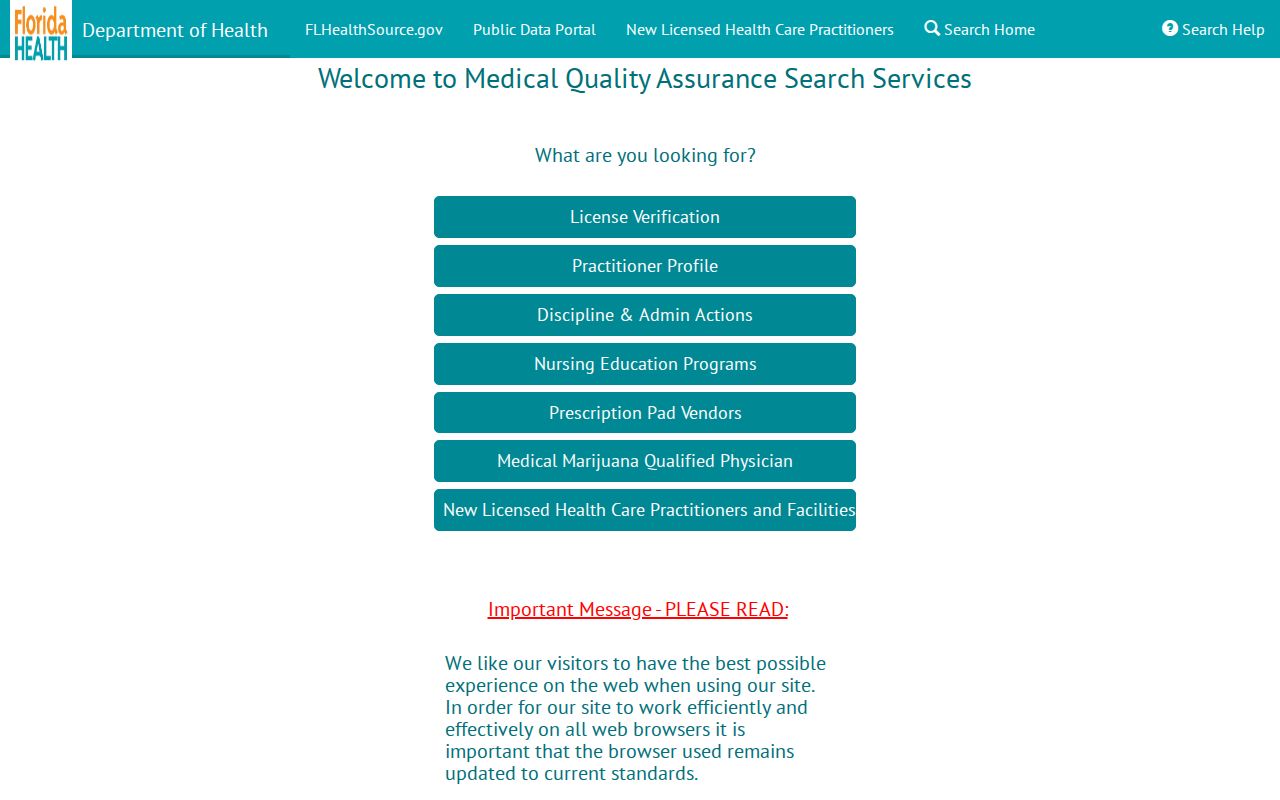
Public business and professional registers can confirm a volunteered role, not neighbor status. The DBPR portal and Florida MQA search show licenses, public status, and discipline within their fields. Keep an office or practice address separate from a residential parcel.
Compare Cooper City Neighbor Tools
Commercial neighbor products often combine parcel, voter, and purchased feeds. That can be convenient, but the data may lag corrections or merge same-name people. Official rolls are narrower and require more work, yet each field has a named custodian and a clear meaning.
| Source type | Strength | Main limit |
|---|---|---|
| BCPA and GIS | Authoritative parcel and assessment facts | Owners are not all occupants |
| Voter data | Registered residence and district evidence | Nonvoters and protected fields absent |
| Commercial compilation | Many feeds in one result | Stale addresses and mistaken identity |
Use the custodian when a record matters. If two sources disagree, note both dates and definitions instead of forcing a match. The common myth that owner, voter, and resident mean the same thing is especially risky in block research.
Official Cooper City Neighbor Safety
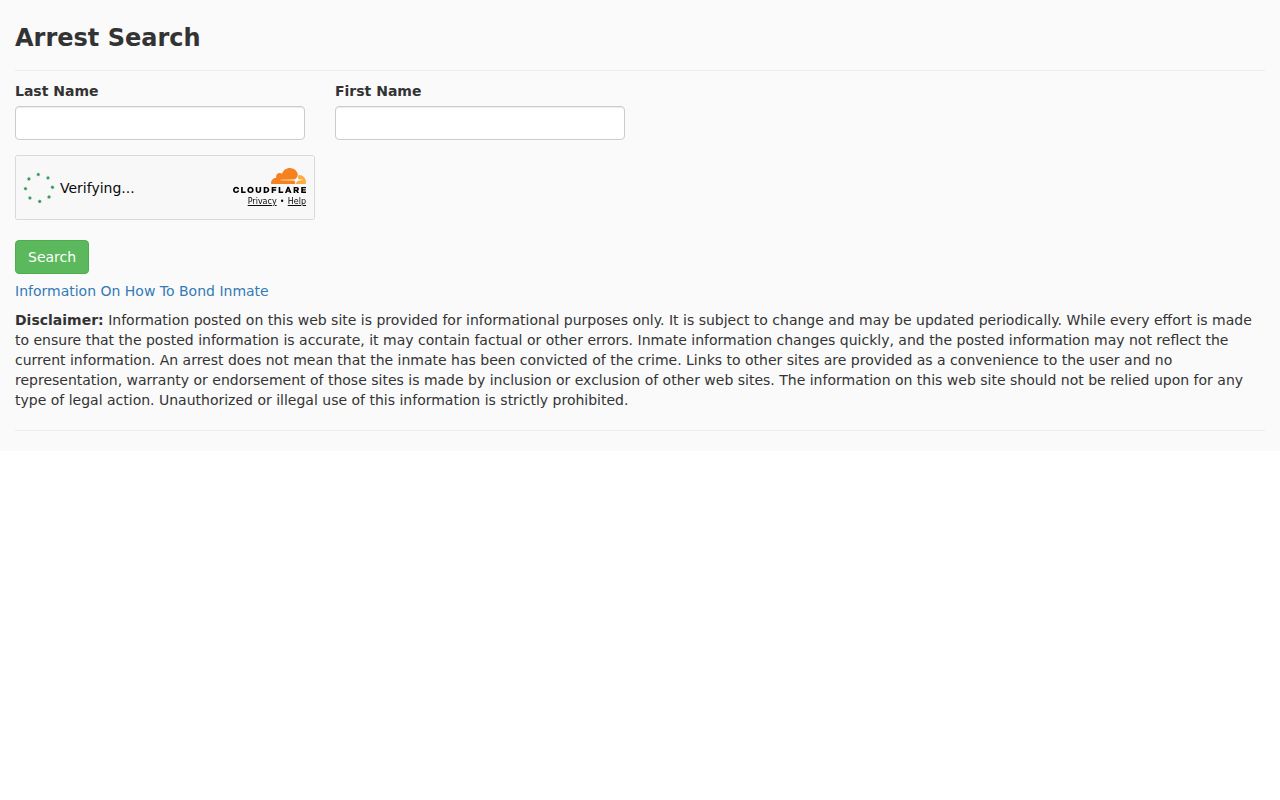
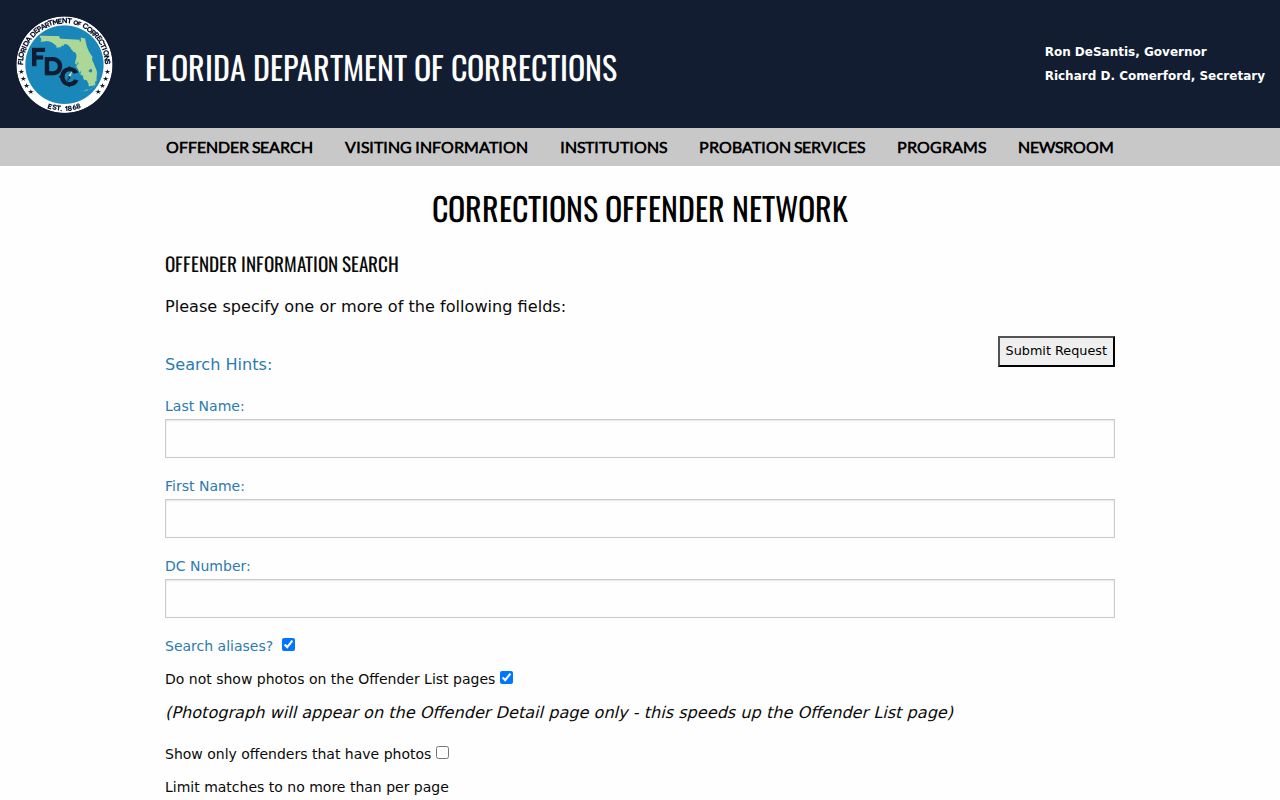
Personal safety research should stay with official, carefully defined sources. The Broward Sheriff Arrest Search covers arrests and custody records, not guilt or permanent residence. The Florida corrections search covers its own prison and supervision population. Neither is a substitute for parcel ownership or a list of all people on a block.
The Broward arrest interface is one of the successful local reference captures.
Florida's statewide corrections tool has a different scope and its own result fields.
Check Cooper City Neighbor Claims
A neighbor may voluntarily identify a public professional or business role. Verify that claim in the correct state index while avoiding any inference that the listed practice address is a home. DBPR covers many regulated businesses, while MQA covers Florida health practitioners.
The DBPR search is organized around license evidence.
Health credentials use the separate MQA service.
Privacy for Cooper City Neighbors
Public records do not reveal every renter, child, household member, utility subscriber, or delivery customer. Florida's Address Confidentiality Program provides a substitute address for eligible victims, and other statutory exemptions protect certain people and data. Voter identifiers and signatures are withheld. Driver records also have federal restrictions. A blank result can reflect lawful confidentiality, not a search failure.
Respect voluntary boundaries as well. A public association officer is not permission to obtain a member roster. A license address is not proof of a home. Use parcel and voter facts only for lawful civic curiosity, reconnecting, or personal safety, and correct an error with the custodian that owns the record.
Date every block worksheet. Parcel ownership, voter registration, permits, and association roles update on different schedules. A prior owner or inactive officer may still appear in an older index. When two records disagree, preserve both dates and ask the named public office about its own field instead of treating a commercial compilation as the final word.
Lawful use. Cooper City neighbor records may support lawful personal research. Never use them to watch, stalk, threaten, harass, or intimidate another person.